The honesty, effectiveness, and comfort of the patient are the primary issues in modern dentistry. Every tool that is used in a dental practice will result in achieving these goals, especially the tools that are designed to cut and shape the tooth structure. Burs are also among the most popular types of rotary tools that are utilized during the process of restorative, cosmetic, and surgical interventions.
One of the most trusted options in dental practices today is carbide burs, which are designed to deliver clean, controlled cuts while maintaining durability and performance. They make a good investment for dentists who, after all, want to get a consistent result and have a high number of clinical applications.
What Are Carbide Burs?
Carbide burs are rotary cutting instruments made from tungsten carbide, a material known for its hardness and resistance to wear. Unlike steel burs, carbide burs feature multiple sharp blades arranged in precise patterns, allowing for efficient tooth reduction and material removal.
These burs can be used in high-speed handpieces and are available in various shapes and sizes. The flexibility allows dental workers to decide the appropriate bur to use in some processes, such as cavity preparation and removal of the crowns.
Improved Cutting Efficiency and Precision
One of the primary advantages of carbide burs is their superior cutting efficiency. The blades are crisp and outlined, and the cutting may be performed with maximum smoothness and accuracy with the least pressure. This spares clinicians fatigue in their hands as well as improving the overall control in the procedures.
Cleaner cuts also lead to the formation of smoother tooth surfaces, which can subsequently increase the fit and survival of restorations. Specifically, caution must be particularly attentive to this aspect of accuracy, as is the case when working in sensitive settings, where the patient outcomes are directly correlated with the accuracy.
Durability and Long-Term Value
Carbide burs are highly durable due to the strength of tungsten carbide. They have got longer cutting edges when compared to most other alternative materials and can therefore be reused without significant loss in performance.
This consistency translates to ultimate gain for the dental practices. It has fewer replacements that need to be made over time, and it helps to keep the operational costs low, but the quality of clinical work is the same.
Versatility Across Dental Procedures
Another key benefit of carbide burs is their versatility. They are used very often in procedures, such as cavity preparation, old restoration removal, crown and bridge work, and contouring dental materials.
Dentists can customize their instruments to the requirements of a specific procedure since they have a wide range of shapes (round, pear, fissure, and inverted cone). This flexibility makes carbide burs a reliable option in both general and specialized dental practices.
Enhanced Patient Comfort
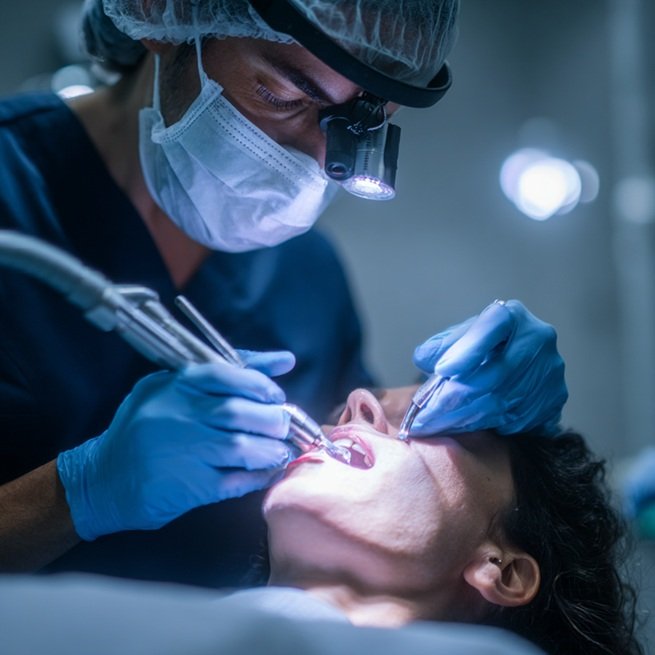
Vibration cutting can be reduced to contribute to the pleasant experience of the patient. Carbide burs allow dentists to work quickly and accurately, reducing procedure time and minimizing unnecessary pressure on the tooth.
Waiting time would also be minimized, and pillar preparation made more comfortable to improve the satisfaction of the patients, especially those with dental phobias.
Consistency and Clinical Reliability
Consistency is critical in dental care, and carbide burs offer reliable performance across multiple uses. Repeated cutting pattern enables clinicians to have a predictable result, and this is essential in the delivery of high clinical standards.
When paired with proper sterilization and maintenance protocols, carbide burs remain a dependable tool in daily practice.
Final Thoughts
Carbide burs are crucial in contemporary dentistry due to their precision, longevity, and multipurposeness. These characteristics of offering clean cuts, improving efficiency, and comfort to the patients are what make them an important tool in the majority of dental procedures. Big and enduring value is gained with the use of carbide burs by dental professionals who consider a quality outcome and high standards of care in the modern clinical setting.