
Most dental problems don’t start with drama. They start quietly — a little bleeding when you floss, a spot that catches food, a tooth that becomes sensitive for a week and then “goes away.” That’s the tricky part. When pain isn’t constant, it’s easy to postpone care and assume you’ll handle it later.
Later is usually when it costs more and takes longer.
If you’re looking for preventive dental care near me, you’re already doing the most important thing — moving the focus from fixing damage to preventing it.
In Millburn and the nearby Essex County towns, patients are increasingly asking for preventive visits that actually feel useful. Not a rushed cleaning and a generic reminder to floss, but a real wellness checkup — what’s changed since last time, what’s trending in the wrong direction, and what can be corrected early while it’s still simple.
The point of prevention is not perfect teeth — it’s fewer surprises
A good preventive appointment has one job: catch small issues before they turn into big ones.
That matters because many common dental problems are quiet in the early stages. Cavities can grow without pain. Gum inflammation can build slowly until it starts affecting support around the teeth. Even bite problems and grinding can wear teeth down for years before a person notices the change in photos or in how their teeth feel.
Preventive care turns dental health into something you can manage. It replaces uncertainty with a plan you can understand.
On the preventive services page for Arthur Greyf, DDS, FICOI Implant, Cosmetic & Laser Dentistry in Millburn, the preventive approach is described in practical terms — checkups, cleanings, fluoride, and home-care guidance designed to keep teeth and gums stable and lower the risk of cavities, gum disease, and tooth loss.
What happens at a real preventive visit
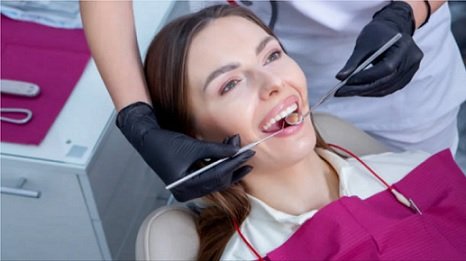
People often assume a preventive visit is “just a cleaning.” That’s the part you feel, so it’s the part you remember. But the value is the combination of a thorough exam plus professional cleaning plus a clear next-step conversation.
At Dentist Millburn, the preventive care process described online includes a full exam for cavities and gum disease concerns, a professional cleaning, and guidance for at-home habits based on what the dentist and team actually see in your mouth — not based on generic advice.
The cleaning itself is also not one-size-fits-all. The preventive page describes both ultrasonic scaling and hand scaling as part of professional plaque and tartar removal. Ultrasonic scaling helps break up buildup efficiently, while hand scaling is used for detail work and more delicate areas.
If fluoride makes sense for the patient, it’s framed as an extra protective step — strengthening enamel and helping lower cavity risk.
Even small details can matter. The same page notes that a typical cleaning appointment often takes 30 to 60 minutes depending on oral health.
This isn’t fancy. It’s simply the difference between a preventive visit that feels like a checkbox and one that genuinely reduces future problems.
Why six months is a common rhythm — and when it isn’t
You’ll hear “every six months” so often that it starts to sound like a rule carved in stone. In reality, it’s a default schedule that works well for many people.
The preventive care FAQ on the Millburn site recommends visiting every 6 months for a checkup and cleaning, while also noting that more frequent visits may be needed for gum disease or other issues.
That flexibility is important. Some people build tartar quickly no matter how well they brush. Others have a history of cavities, dry mouth, or sensitivity that benefits from closer monitoring. Some are managing medical factors that affect gum health. Prevention works best when the schedule matches the person, not a generic calendar.
Preventive dentistry is not only about teeth
One reason preventive care has become a bigger conversation in recent years is that people are more aware that oral health doesn’t exist in isolation.
The preventive page ties oral health to overall well-being and frames prevention as part of a broader wellness approach. That’s not a trendy claim — it’s a practical way of thinking. If inflammation is building in the gums, that’s not “only a gum issue.” It’s a signal worth taking seriously.
The takeaway is simple: when you stay consistent with preventive care, you reduce the chances of waking up to emergencies and rushed decisions.
A common pattern — people wait until the problem becomes expensive
There’s a reason so many patients say, “I wish I came in sooner.”
Neglecting regular dental visits can lead to tooth decay, gum disease, and tooth loss, and the preventive page points out something most people don’t realize until it happens — many issues don’t show symptoms until they’ve progressed.
That’s how a small cavity becomes a deeper restoration. That’s how gum irritation becomes a longer-term problem. That’s how “a tooth that sometimes hurts” becomes a weekend emergency.
Preventive care is not glamorous, but it’s one of the few healthcare habits where the payoff is predictable.
What to look for when choosing a preventive care office
If your goal is prevention, you don’t need the loudest marketing. You need a practice that runs prevention like a system.
Here are the signs that usually matter most:
Clear exam + cleaning process
You should know what’s included and why.
A team that treats prevention like ongoing care
Not a one-off appointment that resets every time.
Tools that make cleanings thorough and comfortable
The preventive care page emphasizes gentle, effective cleaning supported by modern techniques like ultrasonic scaling.
A plan for home care that’s specific
Advice should match your mouth, your habits, and what the team sees at the visit.
Consistency in how the office communicates
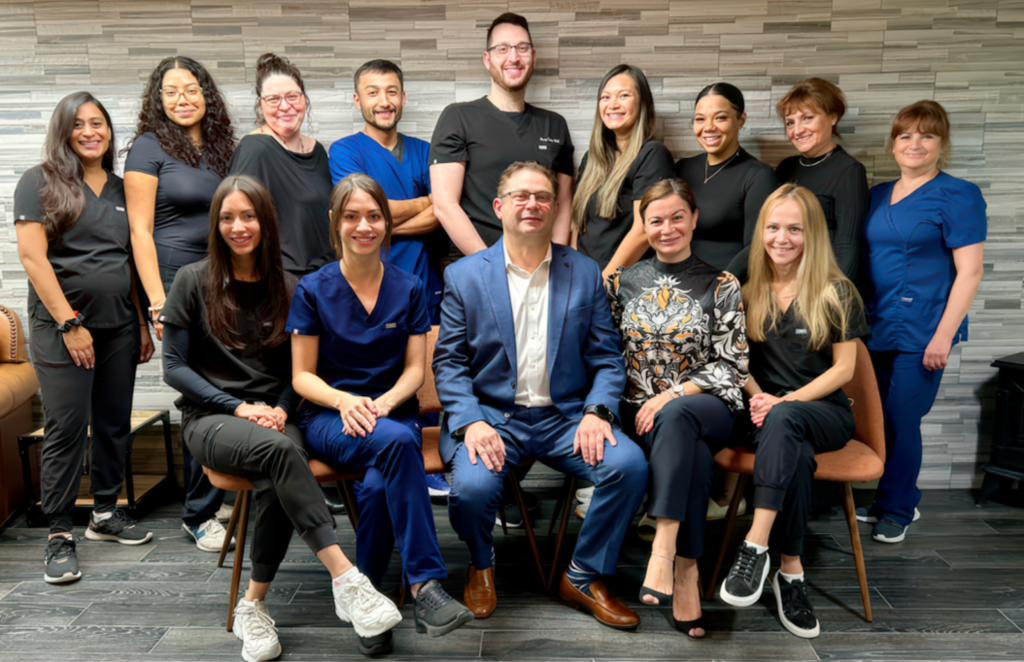
This is where a stable team matters. The practice’s team page describes an office culture focused on comfort, a stress-free experience, and helping patients feel welcomed and supported from the start.
Prevention is also how you protect bigger dental work
Even if a person ends up needing crowns, veneers, or implants at some point, prevention still matters. It’s what protects the investment.
Regular checkups and cleanings help catch wear, shifting bite issues, and gum inflammation early — the kinds of things that can quietly shorten the life of restorations if ignored. This is why a prevention-focused practice often connects the dots between routine care and long-term outcomes, instead of treating them as separate worlds.
A calm next step if you’ve been putting it off
If you haven’t had a checkup in a while, you don’t need to feel embarrassed about it. You just need a starting point.
Prevention is the appointment that makes everything else easier. It gives you clarity — what’s fine, what needs attention, what can wait, and what shouldn’t.
For anyone in Millburn or nearby towns who wants to get back on track with preventive visits and a clear plan, start here: https://dentist-millburn.com/