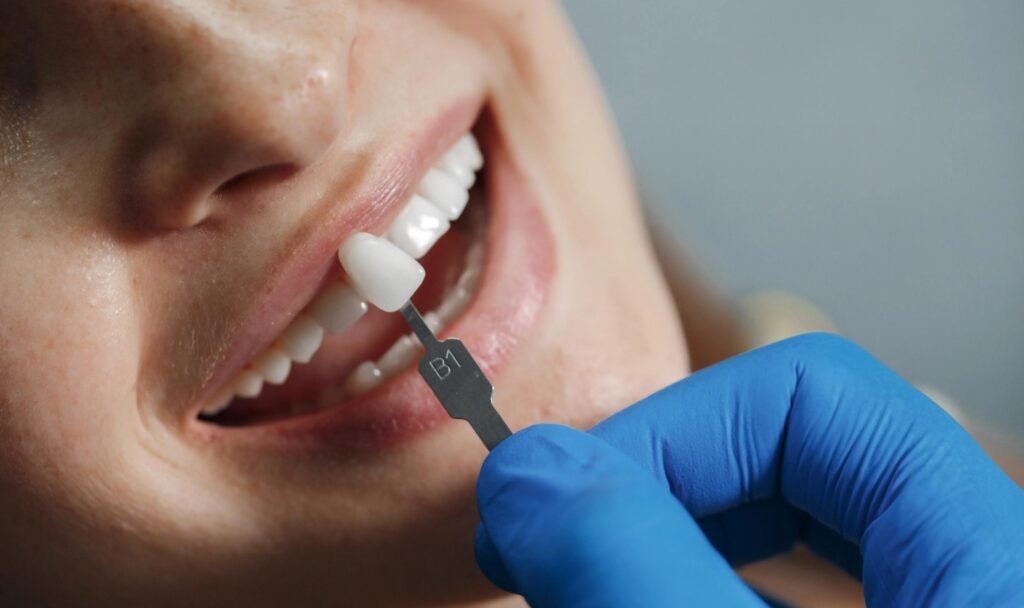
There are many options available today to improve the life of a person. By using fake prosthesis, we can replace many missing parts of the human body and make them whole again. Same holds true even for our teeth. Artificial teeth are available in many forms and can replace missing broken or damaged teeth in a successful manner so that the person can speak, smile and chew food with ease. These artificial teeth are available in many forms and aid in replacing the aesthetics and function of their original counterparts.
Even though in the olden days it was considered difficult to replace lost teeth, today it is a relatively simple process. Depending on how many teeth need to replaced, their location and your budget, your dentist will help you choose the best alternative for your case.
Types of Artificial Teeth
These can be classified into two broad categories:
- Fixed
- Removable
Now let’s see what the different options that are available under each category are before we see their applications advantages and disadvantages.
| Category | Description | Common Types / Examples |
| Fixed | These are permanently attached and cannot be removed by the patient. | – Crowns – Bridges – Implants |
| Removable | These can be taken out and placed back into the mouth by the patient. | – Complete dentures – Partial dentures |
1. Crowns (Fixed)
| Aspect | Details |
| Application | Used to cover and protect a damaged, cracked, or heavily filled tooth. |
| Advantages | – Strengthens the tooth – Looks natural – Long-lasting if cared for |
| Disadvantages | – Requires removal of some tooth structure – Can be costly – May need replacement over time |
2. Bridges (Fixed)
| Aspect | Details |
| Application | Replace one or more missing teeth by anchoring to adjacent natural teeth. |
| Advantages | – Fixed and stable – Restores function and appearance – Faster than implants |
| Disadvantages | – Involves grinding healthy teeth – Not suitable if surrounding teeth are weak – Risk of decay under bridge |
3. Dental Implants (Fixed)
| Aspect | Details |
| Application | Replace one or more missing teeth using a titanium screw fixed into the jawbone. |
| Advantages | – Very strong and durable – Doesn’t affect nearby teeth – Feels like natural teeth |
| Disadvantages | – Expensive – Requires surgery – Healing time needed (months) |
4. Complete Dentures (Removable)
| Aspect | Details |
| Application | Used when all teeth in an arch (upper/lower) are missing. |
| Advantages | – Affordable – Non-surgical – Restores appearance and basic function |
| Disadvantages | – Can feel bulky or loose – May affect taste or speech – Needs daily removal and cleaning |
5. Partial Dentures (Removable)
| Aspect | Details |
| Application | Replace some missing teeth while using remaining natural teeth for support. |
| Advantages | – Affordable – Easy to adjust or replace – Helps prevent teeth from shifting |
| Disadvantages | – May be less stable – Clasps may show – Can cause discomfort at first |
6. Overdentures (Removable)
| Aspect | Details |
| Application | Sit over a few remaining teeth or implants for extra stability. |
| Advantages | – More stable than regular dentures – Better chewing and speaking ability – Can help preserve jawbone |
| Disadvantages | – Needs special fittings – Higher cost than regular dentures – Maintenance of underlying teeth or implants is needed |
To Summarize:
Teeth are an important aspect of good oral health. Oral health in turn has a direct impact on your overall health. Missing teeth can cause digestive issues, malnourishment and also lead to mental stress. Instead of avoiding a visit to the dentist it would prove to be more beneficial to schedule a dental appointment and discuss all your concerns with them. The dentist can guide you towards how you can replace or restore your teeth depending on their condition. This they can only say once they have thoroughly examined the oral cavity. The option you choose must be suitable for your needs and must fit into your budget as well. Dental implants may seem like an expensive option, but they prove to be worthy investments in the future. Crowns act like saviors for broken, restored or root canal treated teeth. Dental bridges live up to their name and replace missing teeth using adjacent teeth for support. When you’re missing all your teeth or you have a limited budget removable dentures may be your best option. There are multiple solutions to help you out all you have to is take the first step and visit a dentist. Delay in teeth replacement can lead to the following:
- Space loss and supra eruption
- Difficulty in chewing food
- Unclear speech
- Incomplete smile
- Increase in tooth decay
- Gum problems
Avoid any delays and do not make excuses to replace and restore your teeth using the various types of artificial teeth available at the dental office today!