
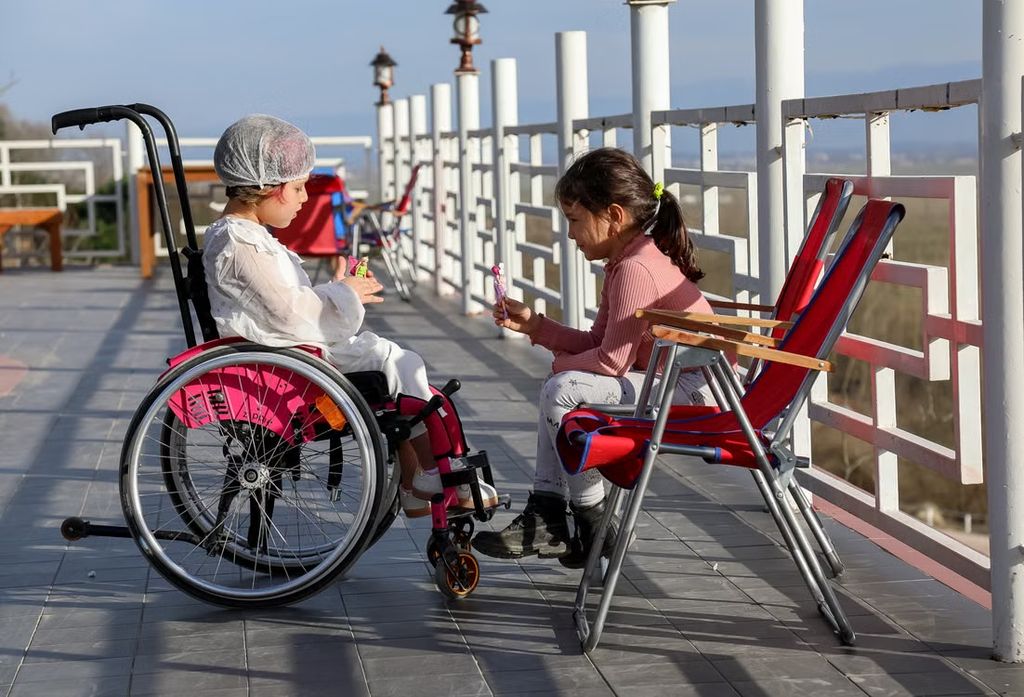
Movement is crucial for the growth of every child. However, movement and fitness in general can be challenging for children with mobility challenges. Fortunately, parents can enroll their children with special needs in adaptive fitness classes. This will not only improve their physical capabilities but also enhance their self-confidence and overall well-being. In this guide, we’ll explain what adaptive fitness is, its benefits, and who it can benefit.
What is Adaptive Fitness?
Adaptive fitness training modifies exercises, workout environments, and equipment to meet different needs. Unlike traditional fitness programs, it considers each person’s physical, emotional, and cognitive abilities. These programs combine structured exercises, motor skill activities, and sensory-friendly techniques to help neurodiverse individuals improve coordination, strength, and confidence.
An effective adaptive fitness program accounts for sensory sensitivities, motor planning difficulties, and the importance of routine and consistency. Trainers with specialized experience use practical, evidence-based strategies to make workouts accessible, engaging, and beneficial for each participant.
Who Benefits From Adaptive Fitness?
Adaptive fitness training can support people with different physical, cognitive, and sensory needs. By adjusting exercises and workout environments, trainers can create programs that help participants develop strength, coordination, and confidence.
- Cerebral Palsy: Cerebral palsy can affect muscle tone, balance, coordination, and movement. Depending on your child’s abilities, adaptive fitness may help improve strength, mobility, and functional movement. Check out https://www.cerebralpalsyguide.com/birth-injury/ to learn more about cerebral palsy
- Autism Spectrum Disorder: Some autistic children experience differences in coordination, motor skills, or sensory processing. Adaptive fitness can provide a supportive environment for practicing balance, movement, and body awareness
- Attention-Deficit/Hyperactivity Disorder (ADHD): If your child has ADHD, adaptive fitness can help them manage attention, regulate emotions, and practice impulse control
- Sensory Processing Differences: Some people are particularly sensitive to movement, touch, sounds, or bright lights. Adaptive fitness can accommodate these needs through sensory-friendly environments, adjusted exercises, and predictable routines
- Other Neurodevelopmental Differences: Individuals with dyspraxia, Down syndrome, or intellectual disabilities may benefit from personalized movement activities that support coordination, functional strength, and everyday skills
Here are the key benefits of adaptive fitness training for children with mobility challenges:
Improved Physical Health
If you have a child with special needs, enrolling them in adaptive fitness will not only enhance their overall fitness but also their physical well-being. This study highlights the potential benefits of adapted physical activities for physical health and cognitive stimulation. With an individualized approach, your child can develop physical skills, participate more comfortably in exercise, and build habits that support long-term health.
Improved Cognitive Function
Adaptive fitness can support cognitive development alongside physical health. Structured movement activities encourage children with disabilities to practice attention, follow instructions, solve problems, and develop motor planning skills.
Enhanced Emotional Well-being
Adaptive sports and fitness activities can support emotional health in children with disabilities. Regular participation provides opportunities to manage stress, improve mood, and build confidence through achievable goals. Group activities can also reduce feelings of isolation by encouraging social interaction and a sense of belonging.
Endnote
As a parent of a child with a disability, you want to see your child thrive, feel confident, and enjoy everyday activities. Adaptive fitness can be a meaningful step toward that goal. Start with activities your child enjoys, celebrate small achievements, and work with professionals who understand their needs. Remember, progress looks different for every child, and every step forward matters.