
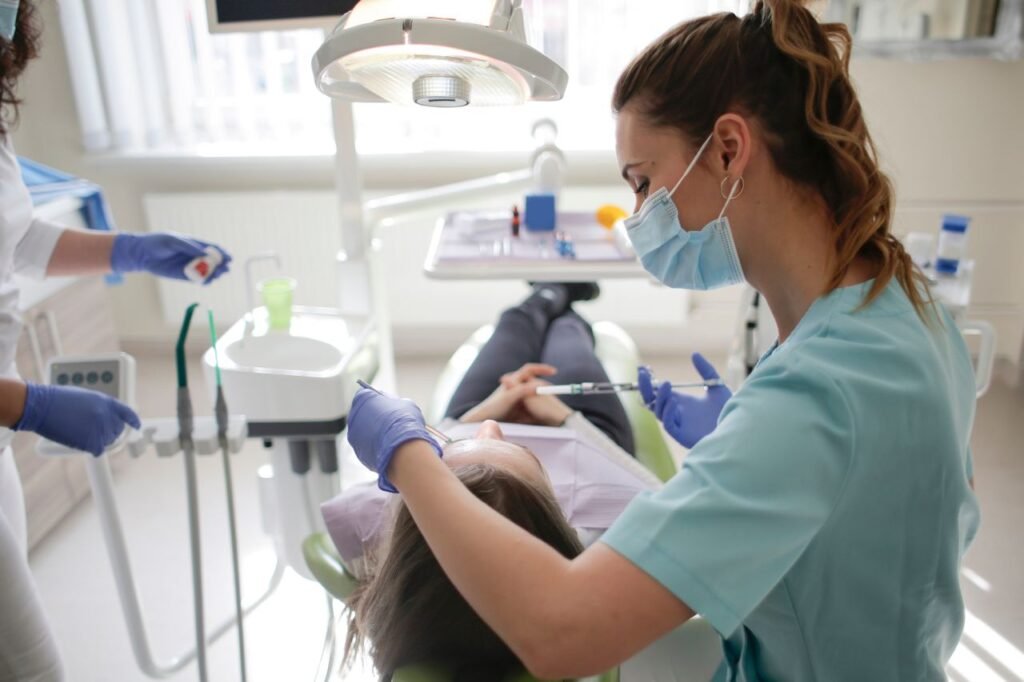
Most dentists do not expect asbestos to be a workplace hazard, but in an older dental office, asbestos may be hidden in building materials, insulation, flooring, or other areas that can be disturbed during repairs or renovations. The real danger begins when these materials are damaged and release tiny fibers into the air. Exposure to asbestos is connected to serious diseases, such as asbestosis, lung cancer, and mesothelioma.
Employers should minimize their exposure to the substance. In the dental practice, the most important thing is to know what to do when there is a probability of exposure to the asbestos-containing materials. Here are a few tips for dentists to handle asbestos exposure at work.
Identify Where Asbestos Could Be Hiding
The first step is to identify the possible locations of asbestos in the building. The age and construction materials of the dental office can help you determine if you are in danger.
Many construction products used in the past contained asbestos. Dental practitioners should not automatically assume that certain materials are safe just because they look normal. If some renovation work is planned for the old office, don’t forget to get the required assessment before going forward.
Use Professional Testing Before Renovation
Before doing any renovation or demolition in an old dental practice, you need a proper evaluation by qualified specialists. They can determine whether the materials used in the building contain asbestos, and whether the planned works can cause damage to those materials. This will ensure that no dentist, hygienist, assistant, contractor, or maintenance employee gets in contact with asbestos.
Stop Work If Asbestos Is Suspected
One common error is treating suspected asbestos in the same manner as other construction dust particles. If construction personnel discover an unfamiliar substance while undertaking renovation work, they need to refrain from disturbing it and make sure that other people are not allowed to go near it.
Resources like https://www.lungcancergroup.com/legal/ provide information on the hazards of asbestos and highlight how to handle it the right way. Dentists and their staff should never try to damage, scrape, cut, drill, sweep away, or remove suspected asbestos themselves. Qualified experts should do all the work.
Keep Dental Staff Away From the Exposure Area
Restricting access becomes particularly important when asbestos-containing materials are destroyed or disturbed. The dental office can be a busy area where several people work in confined spaces, and it is important to protect them.
Simply walking through the contaminated area may spread asbestos fibers to other parts of the office. According to the OSHA asbestos standard, the regulated area must be distinguished from any other work area. The area should be clearly labeled to warn about the presence of asbestos and eating or drinking should not be allowed.
Avoid Treating Asbestos Dust Like Typical Dust
One of the most crucial things to do is to avoid treating asbestos dust like ordinary construction dust. Standard cleaning methods could actually make the situation more dangerous when dealing with the dust.
OSHA prohibits specific cleaning methods like dry sweeping when dealing with asbestos, as this could contaminate the air. You should not use a regular broom or vacuum cleaner to remove suspected asbestos debris. Instead, the office needs to follow proper asbestos management instructions and employ specialists if needed.
Endnote
The best approach is to identify potential asbestos-containing materials and have them assessed before work begins. Dental offices already have a detailed protocol and procedures concerning infection control, chemical use, and any other dangers in the workplace. Asbestos exposure should be treated with the same level of caution.