
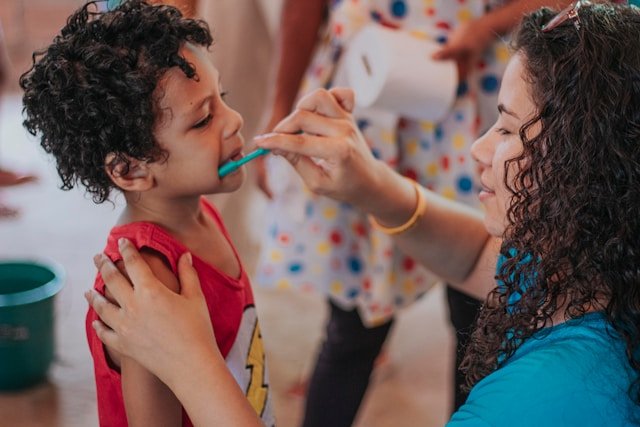
Every child develops at their own pace, but many parents become concerned when speech milestones seem delayed. While some children simply need more time, delayed speech is often connected to oral development issues that affect how a child eats, breathes, and communicates. Understanding the relationship between speech and oral health can help parents seek the right support early and encourage healthier development.
How Oral Development Affects Speech
Speech relies on the coordinated movement of the tongue, lips, jaw, palate, and facial muscles. When any of these areas are underdeveloped or functioning improperly, a child may struggle to pronounce words clearly or develop speech at the expected pace.
Common oral development concerns include tongue-tie, improper jaw growth, chronic mouth breathing, and weak oral muscles. These issues may make it difficult for children to form certain sounds, chew food properly, or maintain healthy breathing patterns during sleep.
In some cases, delayed speech may also be linked to hearing difficulties, neurological conditions, or developmental disorders. Since multiple factors can contribute to speech delay, seeking a professional evaluation is often the best first step.
Signs Parents Should Watch For
Parents are usually the first to notice when something seems different about their child’s communication. While every child develops differently, some signs may indicate a need for further assessment. These signs can include:
- Difficulty pronouncing age-appropriate words
- Limited vocabulary for their age
- Trouble chewing or swallowing food
- Frequent drooling beyond toddler years
- Mouth breathing or snoring during sleep
- Difficulty moving the tongue freely
- Frustration when trying to communicate
Early identification matters because oral and speech development are closely connected during childhood.
The Importance of Early Intervention
Addressing speech and oral development concerns early can improve both communication and overall health. Pediatric dentists, speech therapists, and pediatricians often work together to identify underlying causes and create personalized treatment plans.
In some situations, muscle weakness or coordination problems may be connected to medical complications experienced during birth or infancy. For example, certain children affected by a birth injury may experience developmental challenges involving facial muscles, nerve control, or feeding abilities that later influence speech development. While this doesn’t occur in every case, understanding a child’s full medical history can help healthcare providers recommend the most appropriate therapies and support.
Early intervention may include speech therapy, oral exercises, orthodontic monitoring, or treatment for conditions such as tongue-tie. The earlier these concerns are addressed, the easier it may be to support healthy speech habits and oral function.
Supporting Healthy Development at Home
Parents play an important role in encouraging speech and oral development. Reading aloud, engaging in conversation, and encouraging children to repeat sounds can help strengthen communication skills.
Healthy oral habits also make a difference. Encouraging nasal breathing, limiting prolonged pacifier use, and maintaining regular dental visits can support proper jaw and muscle development. Offering a balanced diet with foods that encourage chewing may also help strengthen oral muscles over time.
Most importantly, patience and encouragement are essential. Children who struggle with speech can become frustrated or self-conscious, so creating a supportive environment helps build confidence as they learn and improve.
Endnote
While delayed speech and oral development can feel overwhelming for parents, many children benefit greatly from early evaluation and supportive care. By working with qualified healthcare professionals and supporting healthy habits at home, parents can help children develop stronger communication skills, healthier oral function, and greater confidence as they grow.